Shepherd Insurance Credits Employee Growth and Flexibility for Strong Workplace Culture
The 700-person agency’s Silver Award reflects its focus on benefits, development, flexibility and relationships with employees and clients.
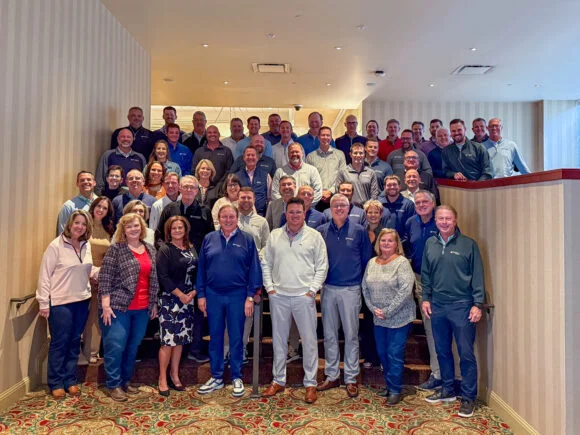
Shepherd Insurance’s recognition as the Midwest region’s Best Agency to Work For rests on a workplace culture employees describe as personal, supportive and built into daily operations. For the Carmel, Indiana-based agency, that culture includes professional development, flexible hours, strong benefits and time to attend to family needs.

The agency received this year’s Silver Award after employees nominated it. With around 700 employees and offices in six states, Shepherd faces the challenge of keeping a close-knit feel as it grows. Employee accounts suggest that leadership access and practical support help sustain that environment across a sizable organization.
Culture shaped by everyday choices
CEO Quinn Shepherd called the recognition “super humbling,” saying it reflects a culture employees and leaders have built together. He said the organization’s guiding idea has been that “a great company starts with great people.”

That approach, in his view, goes beyond building an insurance business. Shepherd said the aim is to give people room to grow professionally, develop leadership skills and build meaningful careers while enjoying their work. Employees point to continuing education and opportunities to advance as signs that those ambitions have practical backing.
They also describe a family atmosphere that they believe distinguishes the agency from other large organizations. One employee characterized the culture as “more than insurance” and rooted in trust and family, adding that this environment doesn’t happen by accident. Another said they expected to retire there, calling it the best organization they had worked for.

Those views are reinforced by both formal support and informal connections. Employees share lunches, take part in pickleball outings and join fantasy football leagues. The agency also offers grandparents leave and time off for family matters. These practices give colleagues ways to build relationships and acknowledge that employees have responsibilities outside work.
Access to leadership and room to advance
Employees say they can discuss performance expectations and career goals with leaders, ask questions and get feedback. One described leadership as accessible and willing to have open conversations about professional development. That employee also linked the approach to accountability and continuous improvement: people can raise concerns, understand expectations and work through the next steps with managers.

Another employee said leaders listen, offer constructive suggestions and help find practical solutions when challenges arise. That kind of support can matter in customer service roles, where client needs may be demanding and employees have to respond while managing competing work. The accounts suggest the value lies not in avoiding difficult situations, but in having a way to talk through them and get help.
Employees also describe a shared sense of contribution. One said people understand how their work supports the agency’s wider goals and are pulling in the same direction. That combination of individual development and shared purpose appears central to how staff experience the culture.

Employee experience and client relationships
Shepherd connects the way employees treat one another with how they serve clients. One employee said the team brings the same care and respect to clients, aiming to protect them and treating them like family. The account reflects a relationship-centered approach to insurance service, where listening and trust are part of the work alongside addressing coverage needs.
For an agency serving clients across six states, maintaining personal connections as the organization grows takes continued effort. Quinn Shepherd said the agency is committed to helping employees, clients and agency partners succeed over the long term, and to preserving its family-oriented culture as it expands. The employee comments offer a view of what that commitment looks like in practice: communication with managers, support when work gets difficult, and time for family responsibilities.

Shepherd’s advice to other agency owners is to put people first and listen to them. He said culture comes from everyday actions, transparency, trust and investment in employee growth, rather than mission statements or slogans. His view is that business results tend to follow when employees feel supported and leaders care about their success.
The award gives the agency a measure of employee recognition, while the testimonials point to the ongoing work behind it. As Shepherd grows, the practical test will be whether employees continue to find accessible leadership, useful development opportunities and flexibility in their day-to-day experience. Those are the conditions staff identify as helping them build careers and provide attentive service to clients.
Shepherd Insurance’s Leadership focus, as described by employees and Quinn Shepherd, is grounded in relationships and routines: listening, coaching, making room for family needs and helping people progress. That is the culture the agency will need to keep reinforcing across its offices and teams.