Freezer Disruptions Hit Supermarkets Across Europe, Spoiling Food and Raising Cyber Questions
Stores in five countries reported refrigeration problems, with food removed from sale or discarded as retailers investigate possible cyber incidents.
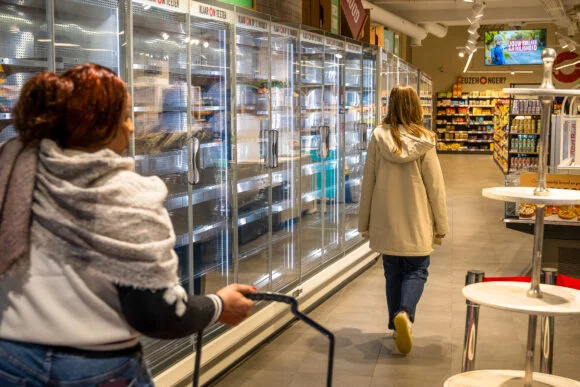
Refrigeration disruptions reported at supermarkets in five European countries have put food losses and connected store equipment in focus. Retailers in Belgium, Ireland, Sweden, Finland and Estonia described overnight temperature problems on or around Nov. 2. Several suspect a cyber incident, but the cause has not been confirmed in every case.

The reports follow a larger refrigeration disruption in France in October, when about 700 stores were affected. A Danish refrigeration equipment maker, Danfoss, said the latest incidents involved its products, as did the French episode. That connection gives retailers a concrete point to investigate, though it does not establish how the systems were accessed or whether the same method was used across countries.
Belgium and Ireland report spoiled stock
In Belgium, Ahold Delhaize said an IT incident affected refrigeration systems at several Delhaize stores overnight Sunday. Carrefour Belgium reported problems at 15 of its 700 outlets, while Spar said refrigeration was affected in around five stores. The scale differs by chain, and the reported figures describe affected locations rather than the amount of food lost.
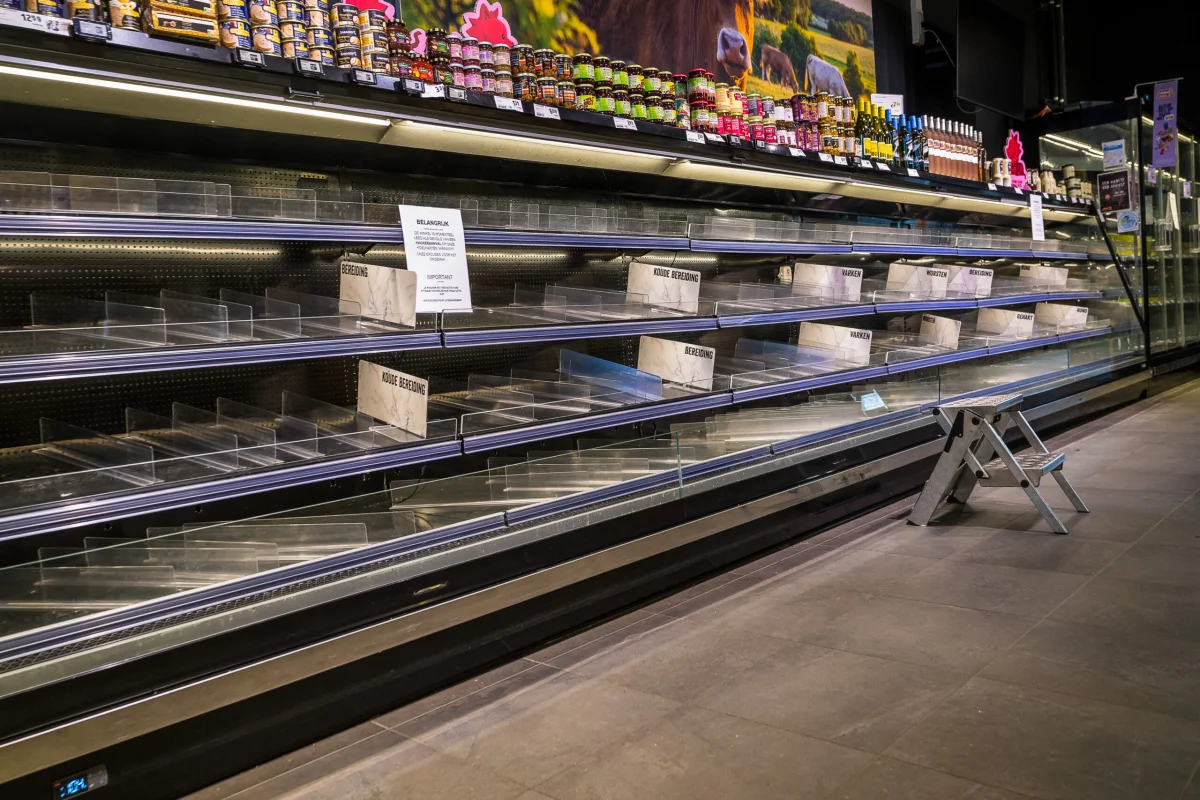
In Ireland, Musgrave Group said a cyber incident affected refrigeration at 13 SuperValu sites. Chilled and frozen goods at those stores were taken off sale as a precaution. That step limits the chance that customers buy products whose storage conditions may have been compromised, while leaving retailers to assess the stock and the operational impact store by store.
Reports span Sweden, Finland and Estonia
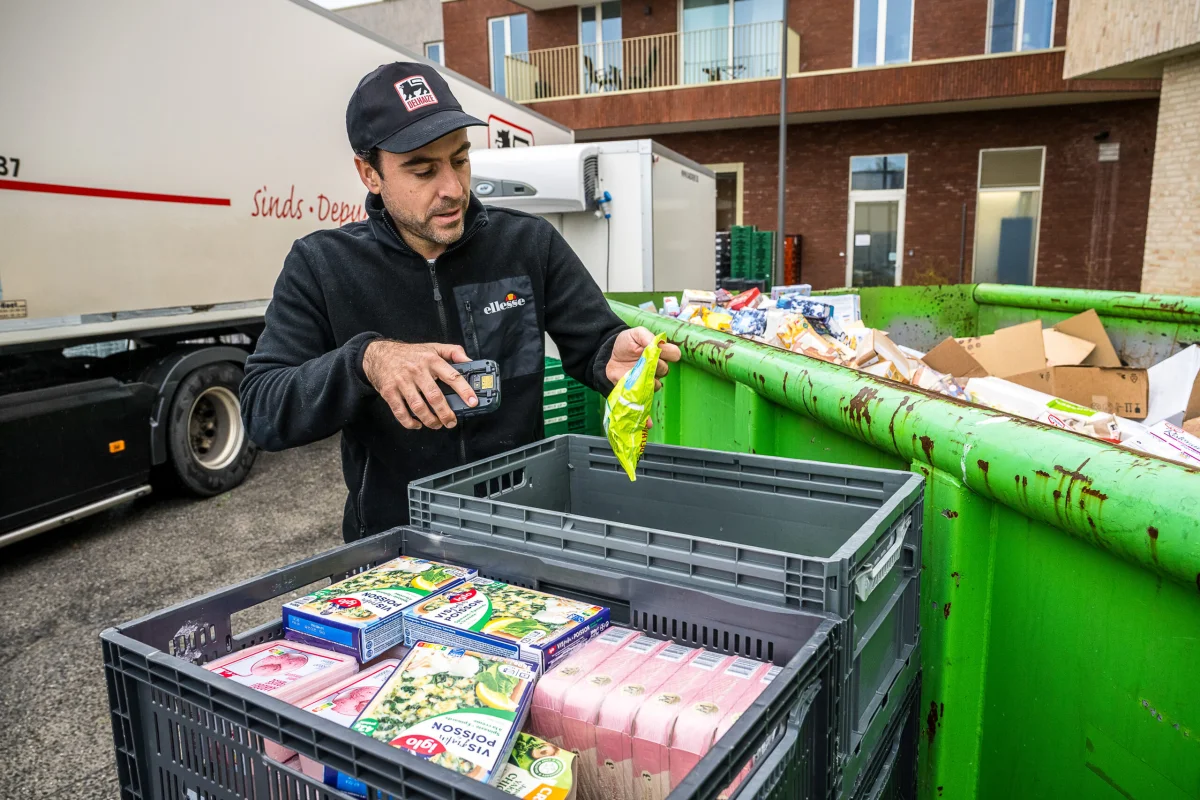
In Sweden, stores belonging to ICA and Coop reported higher freezer temperatures. ICA Sverige said a limited number of stores had an overnight incident affecting refrigeration and freezer equipment, and that support was being provided. The company did not confirm a cyberattack. At an ICA Kvantum in Sjöbo, the store said on Facebook that it suspected a hack after freezer temperatures reached 50C (122F).

Coop reported seven affected stores and confirmed a hack, according to a spokesperson. The difference in how the two chains described the cause matters: temperature disruption is confirmed across the reports, but the available information does not point to a single shared explanation for every store.
In Finland, Petri Käyhkö, head of corporate security at Kesko Oyj, said equipment at a few smaller K-food stores experienced overnight temperature anomalies. Kesko began investigating after automated alerts arrived and staff entered the stores in the morning. Käyhkö said an IT-related incident had not been ruled out. He described the problem as limited to a couple of smaller stores whose equipment falls outside Kesko’s centralized safeguards.

Estonia’s Selver reported a problem at its only store still using an older Danfoss refrigeration control system. A spokesperson told broadcaster ERR that the issue was fixed within minutes. The brief disruption stands apart from reports involving food removal or disposal, and the account does not say whether products were affected.
Older equipment could complicate response
If the latest incidents prove to be cyberattacks, legacy software that cannot be patched may leave some refrigeration equipment vulnerable, the source report said. Older controls can also sit outside a retailer’s centralized safeguards, as Kesko described for the affected Finnish stores. The reports do not establish that age or patching limits caused any of these incidents; they identify conditions that may matter as retailers examine what happened.
For grocers, the immediate decisions are practical: identify which locations have abnormal temperatures, determine what stock remains suitable for sale, and restore reliable refrigeration. Automated alerts can help flag problems before staff arrive, as Kesko’s account illustrates, but the response still depends on checking affected equipment and products. Retailers have not reported a total loss figure for the latest incidents.
The October episode in France offers a recent comparison. About 700 stores were affected when refrigeration systems were disabled, forcing shops to discard damaged food. Intermarché, Coopérative U and Carrefour were among the chains involved. No group has publicly claimed responsibility for that incident. Ahold Delhaize also experienced days of service outages and empty shelves in the Netherlands last month, but has not said what caused that disruption.
For now, the European reports point to an operational problem with potential food and business costs, while leaving key questions open: how each system was disrupted, how much inventory was lost and whether the incidents share a cause. Those details will shape what retailers can learn about protecting refrigeration controls and managing stock when temperatures move outside safe ranges.
Related coverage: The Cost of Losing Your Cool: Tallying the Losses of a Supermarket Cyberattack; French Supermarket Hack Exposes Cyber Vulnerabilities in Retail; As French Supermarkets Try to Restock, They Are Told Cyberattack May Be Ongoing; Insurers: French Supermarkets’ Cyber Insurance Unlikely to Cover Food Losses; and Hackers Heat French Supermarket Fridges, Sparking Fires and Spoiling Food.