HSBC Explores Credit Insurance for Data Center and AI Loans
HSBC is sounding out insurers on credit protection for project loans as lenders manage growing exposure to AI infrastructure.
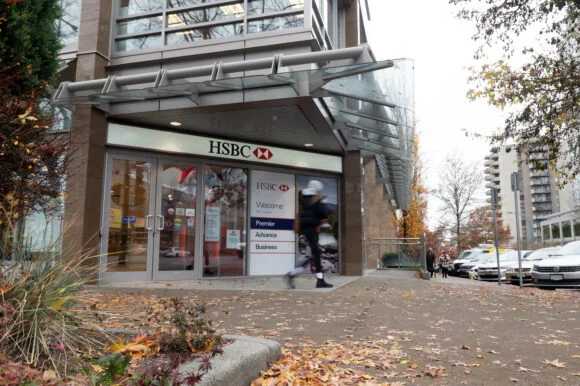
HSBC is exploring whether insurers will cover losses on some of its data center and other project finance loans, a move that reflects how lenders are managing exposure as borrowing for artificial intelligence infrastructure expands. The discussions are preliminary, and any insurance arrangement remains uncertain.

The London-based bank has spoken with insurers about several project finance deals, some connected to AI infrastructure. It had also previously gauged interest in covering a portfolio made up exclusively of data center loans. HSBC said the work is part of its routine portfolio management and that data center exposure remains a small part of its business.
How credit risk insurance works
Credit risk insurance, or CRI, can protect a lender against an agreed share of losses on specified loans. The lender pays premiums for that protection. If covered borrowers fail to repay and losses meet the terms of the arrangement, the insurer covers the agreed portion.

That structure differs from a significant risk transfer, or SRT. In an SRT, investors typically put liquid assets up front to support the first-loss portion of a loan portfolio and receive coupon payments in return. Both arrangements can reduce a bank’s retained credit exposure and free regulatory capital for other lending, but they transfer risk through different mechanisms.
For insurers, the key questions include which loans are covered, how much loss protection is provided and what premium is paid. The source does not describe proposed terms for HSBC’s discussions, and the talks may not produce a deal. Any eventual cover would apply only to the loans and losses specified in its contract.

AI financing adds to lenders’ exposure
The financing need is growing alongside investment in AI infrastructure. Companies building data centers and related systems are expected to seek funding through several channels, including asset-backed securities, private credit and syndicated loans. Debt is likely to play a larger role when businesses cannot fund their infrastructure plans from cash flow and equity alone.
At the same time, credit markets are showing signs of strain around the volume of AI-related borrowing. Yields on bonds and loans tied to the buildout are rising, while some insurers have indicated their capacity is close to exhausted. That combination makes the availability and price of credit protection an important consideration for banks arranging or holding these loans.

HSBC has also been working on an SRT linked to more than $1 billion of loans connected to data centers. The bank is assessing ways to hedge its exposure despite having a limited presence in this type of financing. Chief Financial Officer Pam Kaur said during an earnings call this week that data center lending is not a significant growth area for HSBC in the United States or Asia.
The bank’s position suggests it is reviewing specific exposures rather than describing data center lending as a major expansion plan. Still, even a relatively small portfolio can prompt risk management decisions when the underlying sector is attracting large amounts of debt and insurer capacity appears constrained.
Other banks are seeking protection
HSBC is not alone in examining ways to transfer some AI-related credit risk. Barclays is seeking insurance for more than $10 billion of AI infrastructure credit. Deutsche Bank has been working on an SRT tied to about $2 billion in project finance debt, including loans for data centers.
These efforts point to a growing role for insurers and investors in the financing chain behind AI infrastructure. Their capacity and willingness to take on the risk may affect how lenders structure and hold these loans. The next marker for HSBC is whether its early conversations lead to coverage, and on what terms; the bank has not said that a transaction is certain.